can vegans have lactose Sources switch proteins bodily
As a nutritionist, I often get asked about the impact of a vegan diet on cholesterol levels. Contrary to popular belief, being vegan does not automatically equate to having low cholesterol levels. In fact, it is very much possible for vegans to have high cholesterol. Cholesterol is a waxy, fat-like substance that is present in all animal-based foods, including meat, dairy, and eggs. When we consume these foods, our body absorbs the cholesterol and it gets transported through our bloodstream to different parts of the body. High levels of cholesterol in the blood can increase the risk of heart diseases and stroke. Therefore, it is important to keep our cholesterol levels in check. Now, coming to the question at hand - Can vegans have high cholesterol? The answer is yes, they can. However, the likelihood of this happening is much less as compared to non-vegans. This is because a vegan diet is devoid of animal-based foods, which are the primary source of cholesterol. However, a vegan diet can still be high in saturated and trans fats, which can raise cholesterol levels. Foods such as coconut oil, palm oil, and fried foods can contribute to high levels of cholesterol. Additionally, some vegans may rely on heavily processed foods, which may contain high levels of refined carbohydrates and added sugars. Such foods can increase the risk of insulin resistance, which can contribute to high cholesterol levels. It is important for vegans to prioritize whole, plant-based foods such as fruits, vegetables, legumes, nuts, and seeds. These foods are naturally low in saturated fats and rich in fiber, which can help reduce cholesterol levels. Switching to plant-based milk alternatives such as soy milk, almond milk, or oat milk can also help lower cholesterol levels. These milks are free from animal-based fats and cholesterol and are a healthy option for vegans. In conclusion, while it is possible for vegans to have high cholesterol, a balanced whole-food, plant-based diet can help reduce the risk. It is important to prioritize whole, nutrient-dense foods and limit the intake of processed foods and saturated fats. Keeping a check on cholesterol levels through regular blood tests is also recommended.
Can You Become Lactose Intolerant After Eating a Vegan Diet?
One common misconception about a vegan diet is that it can make you lactose intolerant. Lactose intolerance is a condition in which a person’s body cannot digest lactose, which is a sugar found in milk and other dairy products. It is important to note that lactose intolerance is not caused by a vegan diet. In fact, many people who switch to a vegan diet do so because of lactose intolerance or a dairy allergy. However, it is true that a vegan diet eliminates all sources of lactose. Therefore, if a person who was previously consuming dairy products switches to a vegan diet, they may experience temporary symptoms of lactose intolerance. These symptoms can include bloating, gas, and diarrhea. This is because lactose intolerance occurs when the body produces insufficient amounts of lactase, which is the enzyme required to digest lactose. When a person stops consuming lactose-containing foods, the lactase enzyme production decreases, leading to temporary symptoms similar to lactose intolerance. However, this adaptation period is temporary and the body eventually adjusts to the new diet. In fact, many people who switch to a vegan diet report improved digestive health and less bloating and gas. In conclusion, a vegan diet does not cause lactose intolerance, but a person switching to a vegan diet may experience temporary symptoms of lactose intolerance. These symptoms are a result of the body adapting to the lack of lactose-containing foods and are not permanent. It is important to consume a balanced, nutrient-dense vegan diet to ensure optimal health. To sum up, a vegan diet can help reduce the risk of high cholesterol levels, but it is important to consume a balanced, whole-food, plant-based diet to achieve optimal health. Additionally, a vegan diet does not cause lactose intolerance, but a person switching to a vegan diet may experience temporary symptoms of lactose intolerance. It is important to listen to your body and make healthy choices to ensure optimal health and well-being. If you are searching about Can Vegans Have High Cholesterol? - Vegan Only Blog you’ve visit to the right place. We have 5 Pics about Can Vegans Have High Cholesterol? - Vegan Only Blog like Can Vegans Have High Cholesterol? - Vegan Only Blog, 5 Reasons to Switch to Vegan, Soy-Free Plant-Based Protein Sources and also Can Vegans Have High Cholesterol | Vegan Life Nutrition. Read more:
Can Vegans Have High Cholesterol? - Vegan Only Blog
 veganonlyblog.comcholesterol
Can Vegans Have High Cholesterol | Vegan Life Nutrition
 www.veganlifenutrition.comcholesterol
Can You Become Lactose Intolerant After Eating A Vegan Diet?
 happyherbivore.comlactose
5 Reasons To Switch To Vegan, Soy-Free Plant-Based Protein Sources
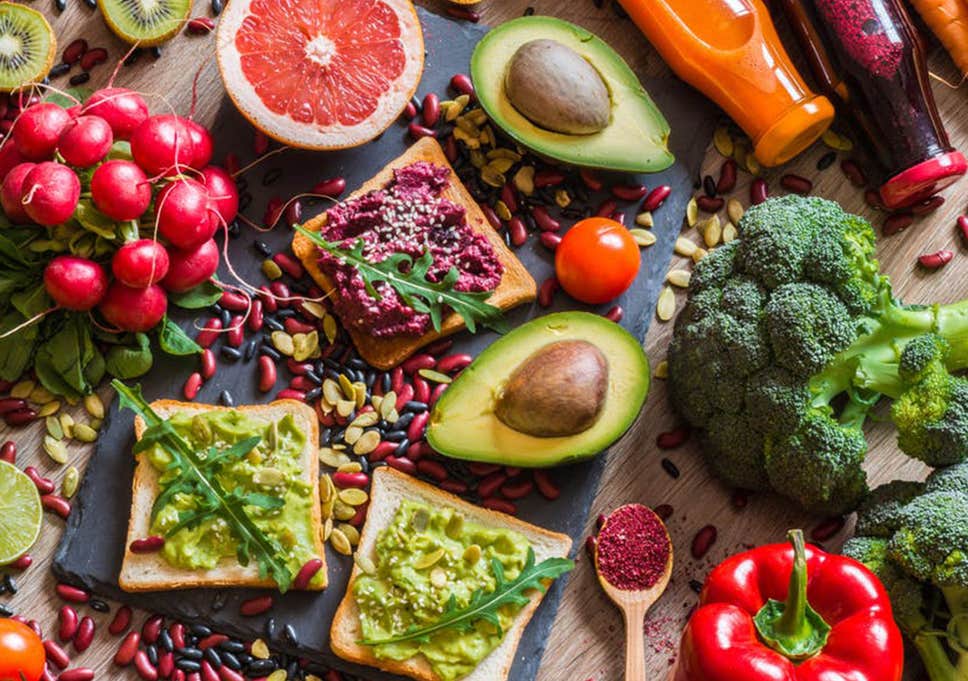 www.letsbegamechangers.comsources switch proteins bodily
Is Lactaid Vegan? Fully Explained!
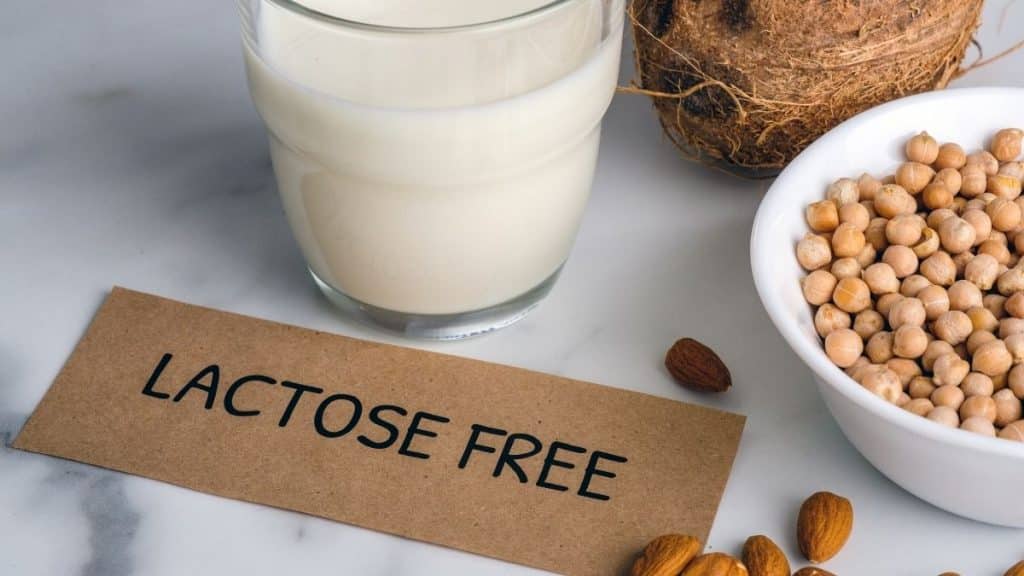 canveganseat.comlactaid vegan vegans use questions
Can you become lactose intolerant after eating a vegan diet?. Lactaid vegan vegans use questions. 5 reasons to switch to vegan, soy-free plant-based protein sources